Oregon, accessing police arrest logs, jail rosters, and inmate search tools can provide detailed insights into recent arrests and current incarceration statuses. Whether you are a concerned citizen, a legal professional, or someone performing a background check, knowing how to navigate these resources is invaluable. This guide will walk you through the essential aspects of accessing and understanding Oregon’s police arrest logs, jail rosters, and inmate search systems.
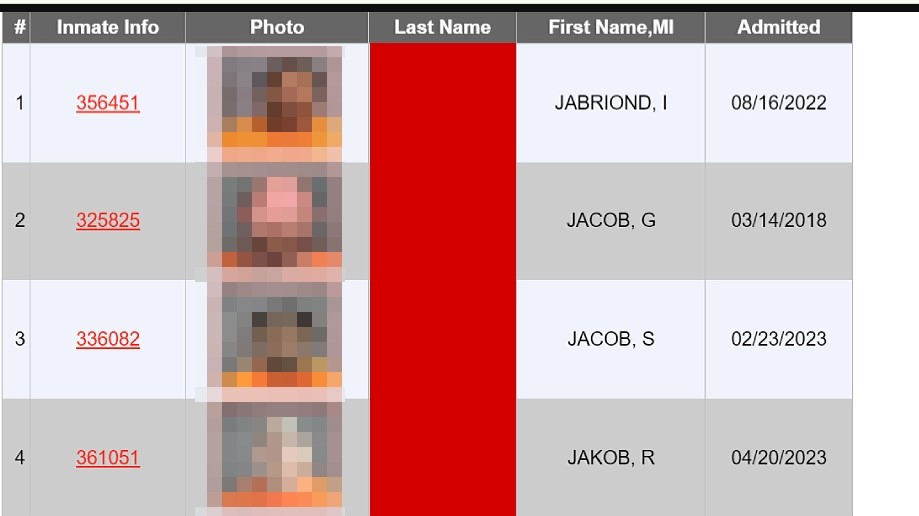
Understanding Oregon Police Arrest Logs
Arrest logs are comprehensive records maintained by police departments detailing the arrests made within a specific period. These logs provide a snapshot of the law enforcement activities in a community and typically include information such as:
- Name of the Arrested Individual: The full name of the person who has been apprehended.
- Date and Time of Arrest: When the arrest occurred.
- Location of the Incident: Specific areas where the incident took place.
- Charges Filed: Details about the alleged offense or violations.
- Booking Information: Data regarding the processing of the arrested individual, which might include mugshots and personal identifiers.
Where to Find Oregon Mugshots Online
Several platforms provide access to Oregon mugshots and arrest logs:
Public Record Websites – Various third-party services compile arrest data for easier access.
Oregon DOC Inmate Locator – Offers detailed records of state prison inmates.
County Sheriff Websites – Many counties maintain online databases for recent bookings.
Accessing Arrest Logs Online
Many Oregon law enforcement agencies now provide online access to their arrest logs. These digital logs make it easier for the public to stay informed and offer a level of transparency in police operations. Users can typically search for arrest information by date, location, or the individual’s name. While the format and details provided may vary by department, the essential information remains consistent.
For those who prefer an all-in-one resource, some websites aggregate arrest logs from multiple jurisdictions, providing a comprehensive view of recent law enforcement activities in Oregon.
The Jail Roster: What It Is and Why It Matters
A jail roster is a regularly updated list of individuals currently held in a detention facility. This list is maintained by the local sheriff’s office or corrections department and usually includes:
- Inmate Name and Booking Number: Basic identification details.
- Booking Date: When the individual was processed into the jail system.
- Detention Facility: The name and location of the facility where the person is held.
- Charges: The legal reasons for the detention.
- Bail or Bond Information: Details on whether bail is available or the amount required for release.
Importance of Jail Rosters
Jail rosters are critical for ensuring public safety and maintaining accountability. They allow families, legal professionals, and community members to verify the incarceration status of an individual. Moreover, jail rosters offer an additional layer of oversight by providing real-time data on who is being held in detention facilities across Oregon.
Inmate Search for Recent Bookings
Inmate search tools are specialized online services that allow users to locate individuals who have recently been booked into jail or detention facilities. These tools are designed to help the public quickly access current incarceration records without the need to visit a police station or correctional facility in person.
How Inmate Search Tools Work
An effective inmate search tool typically requires the following information:
- Full Name: The complete name of the individual.
- Date of Birth or Identification Number: Additional data to narrow down search results.
- Booking Date: For a more accurate search, particularly if the individual has a common name.
Upon entering these details, the tool retrieves information including the inmate’s current location, booking date, and charges. This information is updated in real-time or near real-time to ensure its accuracy.
Benefits of Accessing Arrest Logs, Jail Rosters, and Inmate Searches
Access to these records offers several advantages:
- Community Safety and Transparency: Citizens can stay informed about the local law enforcement activities, contributing to a safer community.
- Legal and Employment Purposes: Employers and legal professionals may use this data for background checks, ensuring that relevant legal information is considered.
- Family and Friend Verification: Relatives can easily verify the status and location of a loved one who has been detained.
- Research and Data Analysis: Academics and researchers can analyze trends in local crime and incarceration rates, contributing to informed policy-making.
Steps to Access Oregon Arrest and Inmate Information
To effectively use these resources, follow these steps:
- Identify the Relevant Website: Begin by finding a trusted source for Oregon police arrest logs and jail rosters. Many county sheriff’s offices and local police departments maintain their own websites with searchable records.
- Search for the Information: Use the search functions provided on these websites. If searching by name, try to include as many details as possible to narrow the results.
- Review the Details: Once you find the information you are looking for, review all the details carefully. This includes verifying dates, charges, and the exact location of the incident or detention facility.
- Contact the Agency for More Information: If you need additional details that are not provided online, consider contacting the relevant law enforcement agency directly.
- Stay Updated: Arrest logs and jail rosters are dynamic documents that change frequently. Regularly check the relevant websites for the most recent updates.
Considerations and Legal Implications
While these public records are readily accessible, it is important to understand that the information provided in arrest logs and jail rosters does not equate to a legal judgment or conviction. Here are some key considerations:
- Presumption of Innocence: An arrest is not a conviction. Arrest records document that a person was taken into custody; they do not confirm guilt.
- Privacy Concerns: Although these records are public, they should be used responsibly. Misusing the data or attempting to defame individuals based on preliminary arrest information can have legal consequences.
- Accuracy of Information: While efforts are made to ensure the accuracy of these records, errors can occur. If you find discrepancies, contact the relevant agency to have the information corrected.
Navigating the Legal Landscape in Oregon
Oregon has specific laws governing access to public records, including police arrest logs and jail rosters. The Oregon Public Records Law ensures that most government records are available to the public, though there are exceptions for sensitive or ongoing investigations. For those looking to understand their rights or to request additional information, consulting with a legal expert or directly contacting the records custodian can provide clarity.
Enhancing Your Search Experience
For a more efficient experience when searching for recent bookings and arrest information, consider the following tips:
- Utilize Filters: Many websites offer filtering options such as date ranges, specific jurisdictions, or charge types. Use these to refine your search.
- Bookmark Reliable Sources: Save trusted websites or online tools for easy access in the future.
- Stay Informed with Alerts: Some services offer notification options for updates on specific names or incidents. This can be especially useful for families or legal professionals monitoring a case.
- Cross-Reference Information: If possible, cross-check details between multiple sources to ensure the accuracy and completeness of the data.
Oregon police arrest logs, jail rosters, and inmate search tools are vital resources that enhance community safety, transparency, and legal accountability. By understanding how to access and interpret these records, you can stay informed about local law enforcement activities and recent bookings. Whether for personal, professional, or academic purposes, these tools empower you with timely and accurate information.
 Site Title
Leave a comment